The conversation
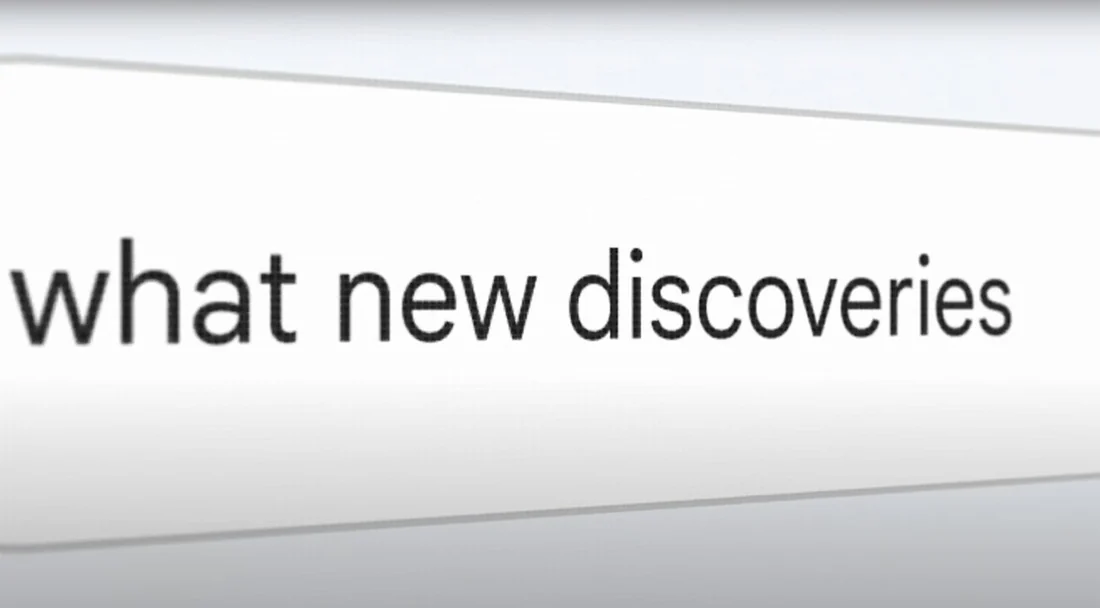
On 6 February 2023, Google announced Bard in its own blog post, describing an experimental assistant that could help 'explain new discoveries from NASA's James Webb Space Telescope to a 9-year-old.' Google illustrated that exact example in a short promotional GIF it posted to Twitter. According to Reuters reporting, the GIF showed Bard given the prompt 'What new discoveries from the James Webb Space Telescope (JWST) can I tell my 9-year old about?' and answering, among other things, that JWST 'was used to take the very first pictures of a planet outside the Earth's solar system.'
What the documents show
Reuters reports that the first pictures of a planet outside the solar system were taken by the European Southern Observatory's Very Large Telescope in 2004, not by the James Webb Space Telescope, a discrepancy Reuters states NASA confirmed. Reuters reports the error was spotted before Google's live-streamed Paris presentation on 8 February 2023, and quotes a Google spokesperson's response: 'This highlights the importance of a rigorous testing process, something that we're kicking off this week with our Trusted Tester program. We'll combine external feedback with our own internal testing to make sure Bard's responses meet a high bar for quality, safety and groundedness in real-world information.' Google's own blog post does not mention the error; it states only the intended demonstration topic.
The system boundary
Google's launch post describes Bard as released 'initially with our lightweight model version' of its LaMDA system specifically so the company could 'scale to more users, allowing for more feedback,' combined with what the post calls 'internal testing.' That framing places responsibility for catching errors like the telescope answer on a testing process Google says it was only beginning, via trusted testers, at the moment of the public demonstration. Neither Google's post nor the Reuters report describes a fact-checking step applied to the promotional material itself before it was published.
Where it fails
Reuters reports that Alphabet shares fell as much as 9 percent and the company lost about 100 billion dollars in market value on 8 February 2023, attributing the move to a combination of the chatbot's inaccurate promotional video and a separate live presentation that analysts quoted by Reuters described as failing to reassure investors about Google's competitive position. This entry does not attribute that share movement to the demo error alone, because Reuters itself does not isolate a single cause.
- Who reviews a vendor's own promotional material for factual accuracy before it is published, and is that separate from model testing?
- What does a company's own post-launch comment commit to changing, and can that commitment be checked later?
- How should a reader weigh a market reaction that several analysts attribute to more than one cause?
Google's own announcement, read next to Reuters' account of the same week, shows a capability claim and its public correction arriving within days of each other.
Sources & reading trail
Google's own announcement of Bard and the James Webb Space Telescope example theme used in its promotional material.
Source published: 6 February 2023 · Retrieved: 16 September 2026
The exact demo prompt and incorrect answer, Google's spokesperson comment, and the share-price context.
Source published: 9 February 2023 · Retrieved: 16 September 2026
Documentation, rulings and incident records establish the entry; the boundary reading is Chatbot Field Guide editorial analysis. This retrospective draft does not imply the site published on the event date.