Ground answers in knowledge users can inspect
Retrieval is a publishing and operations problem before it is a model feature.
Read guide ↗ TURNTAKINGREVIEW
Field 03 / Knowledge & actions
An answer can sound grounded while using the wrong document, and an action can be schema-valid while still unauthorized. This desk follows the evidence path and the write path separately, then shows how to make both inspectable.
The question to keep asking
Keep identity and document permissions attached to retrieval.
Check types, allowed values, business rules and current state.
Make retries safe with a stable operation identity.
See the source / related interface context
Make the execution trace part of the product, not an afterthought.
Open the case file ↗This source capture illustrates a related interface—not evidence that the vendor passed these review checks.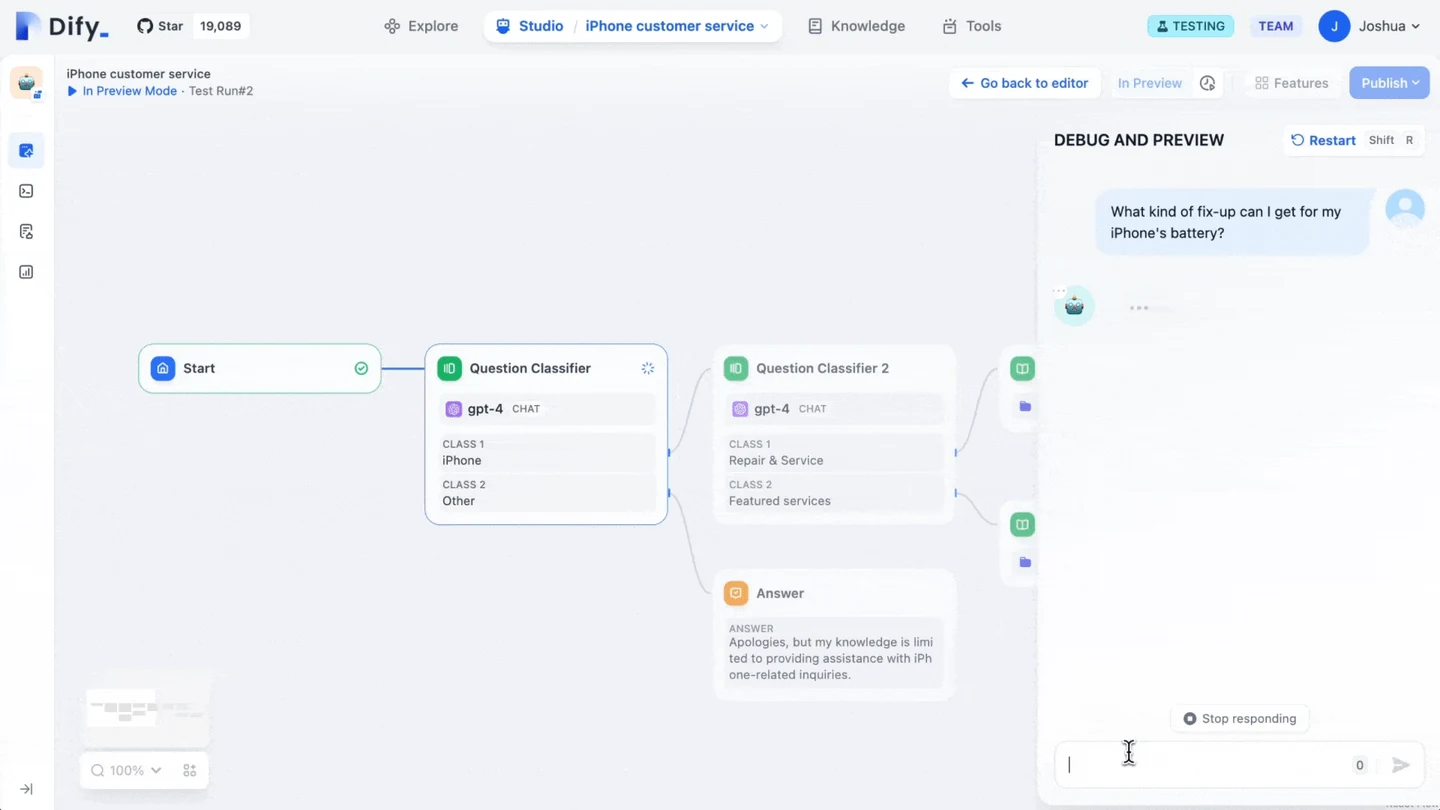
The complete knowledge & actions desk
Retrieval is a publishing and operations problem before it is a model feature.
Read guide ↗Treat every external action as a typed, authorized transaction.
Read guide ↗ NVIDIA / Convai · source visual / reviewKnowledge & actions2 min
A conversational action needs the same rigor as a form—plus protection from ambiguity and duplicate turns.
Read guide ↗Transcripts feel informal; they are still records containing identity, intent, and often sensitive detail.
Read guide ↗A governance loop for source ownership, effective dates, replacement, deletion, access changes, and answer verification.
Read guide ↗ Anthropic · source visual / reviewKnowledge & actions3 min
Treat retrieved text, attachments, web pages, and tool output as untrusted content before they can steer an action.
Read guide ↗Anthropic · source visual / reviewKnowledge & actions3 minUse Model Context Protocol tools without mistaking discovery metadata, tool descriptions, or a connected server for a blanket grant of trust.
Read guide ↗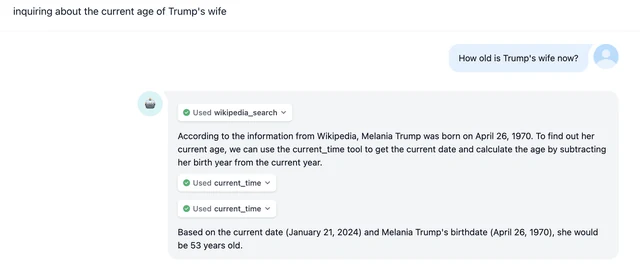 Dify · source visual / reviewKnowledge & actions3 min
A source-first investigation loop for finding whether a bad grounded answer came from ingestion, chunking, retrieval, context assembly, or response generation.
Read guide ↗Use typed output as a boundary between a model and a service, then apply the business checks that a well-formed object cannot know.
Read guide ↗Treat an uploaded file as untrusted material with a controlled path from receipt to extraction, authorization, retrieval, and eventual removal.
Read guide ↗Give consequential conversational actions a durable identity so a network retry, duplicate tap, or reconnect can report one operation rather than create several.
Read guide ↗Keep isolation, revocation, and document scope at the retrieval boundary so a fluent answer never gets a chance to quote material the user cannot read.
Read guide ↗A citation is useful only when a reader can find the cited material, see that it supports the claim, and understand where the evidence stops.
Read guide ↗Keep passwords, recovery codes, and one-time codes inside purpose-built authentication surfaces while the conversation explains the transition and preserves the task.
Read guide ↗When two approved-looking sources disagree, route the contradiction to a named owner with evidence, a decision record, and a controlled propagation path.
Read guide ↗A review screen is trustworthy only when changing a field invalidates the confirmations that depended on it.
Read guide ↗A booking dialogue must distinguish what a person means in their locale from the time-zone-aware value a service needs to check.
Read guide ↗Treat streamed tool arguments as an incomplete transport representation until a terminal event, one call identity, and current-turn checks make execution safe.
Read guide ↗Cache only values whose audience, authorization, version, and freshness rule are explicit. This field note supplies an inspectable artifact, counterexample, and release checks.
Read guide ↗Choose chunk boundaries with controlled evidence fixtures instead of assuming one size or overlap works for every corpus. This field note supplies an inspectable artifact, counterexample, and release checks.
Read guide ↗Keep the system connected
Evaluation & operations Foundations Put the reading to work