12 moments in conversational systems, documented through original release pages, real screenshots, and concrete design lessons. Explore the year, inspect the image, follow the evidence.
12 sourced case files13 first-party visuals04 years of context
Retrospectives prepared 16–19 September 2026. Source dates are not our publication dates.
Research observatory
Cases, not claims in the abstract.
12 moments, four years of change. Open a real source image or read the full case. Retrospectives prepared 16–19 September 2026; imagery is for local review, not cleared for production.
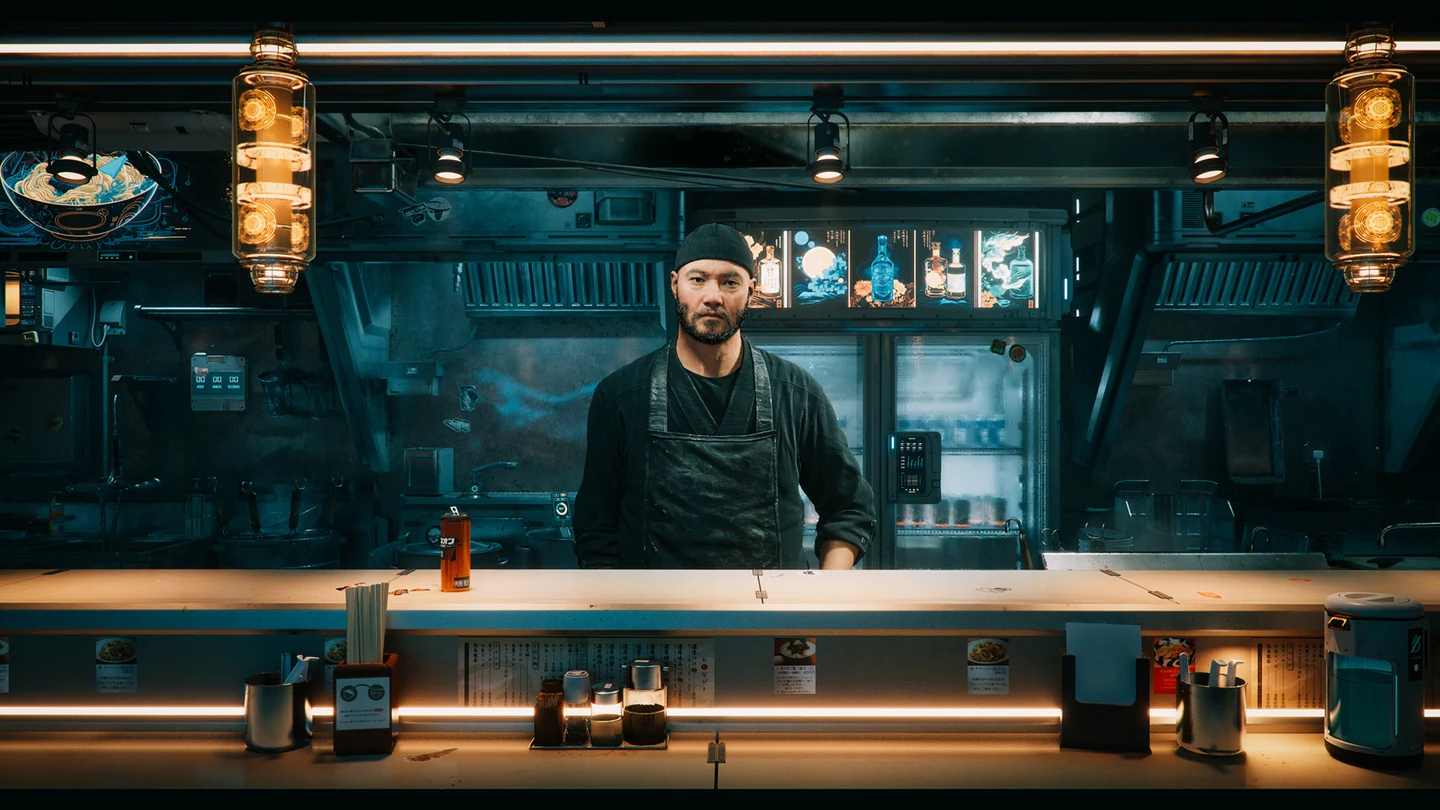
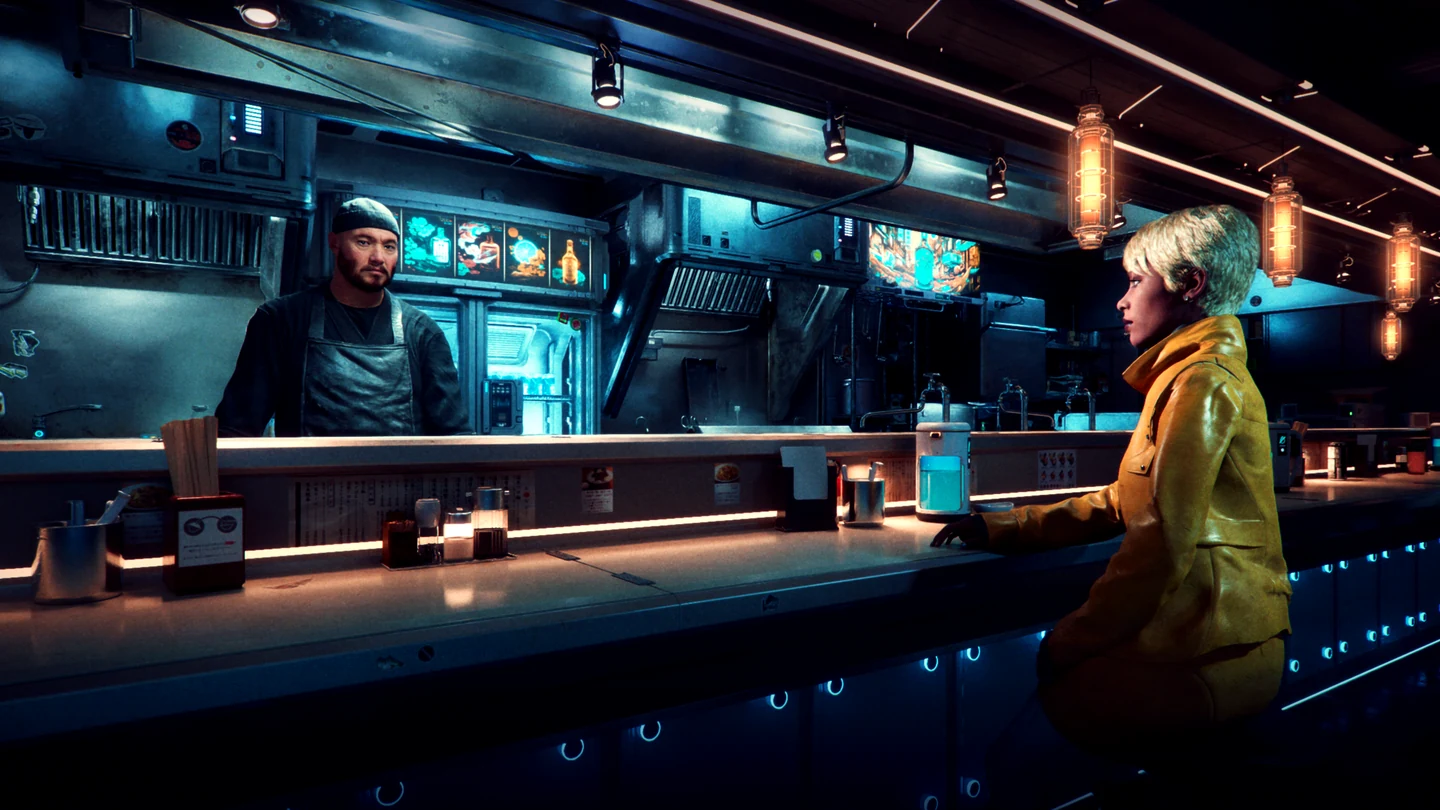
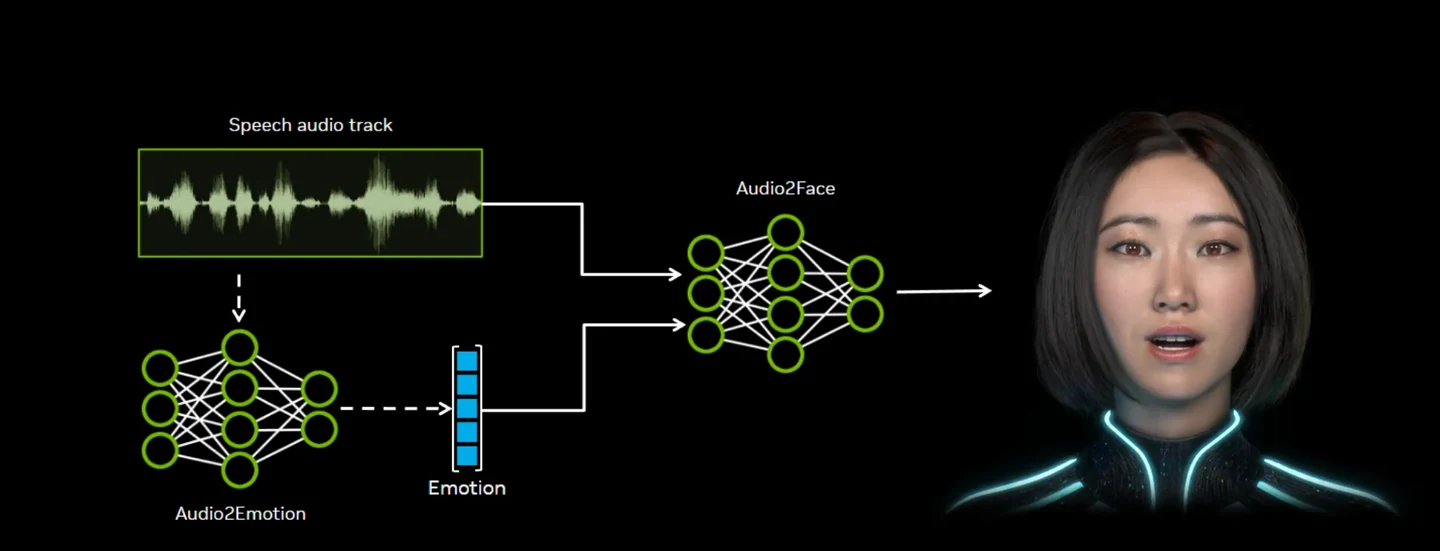
The Kairos demo made a conversational character visible. Its architecture made something else visible: speech, language, and facial animation are separate responsibilities.
Field noteDesign the interfaces between models as carefully as the character itself.
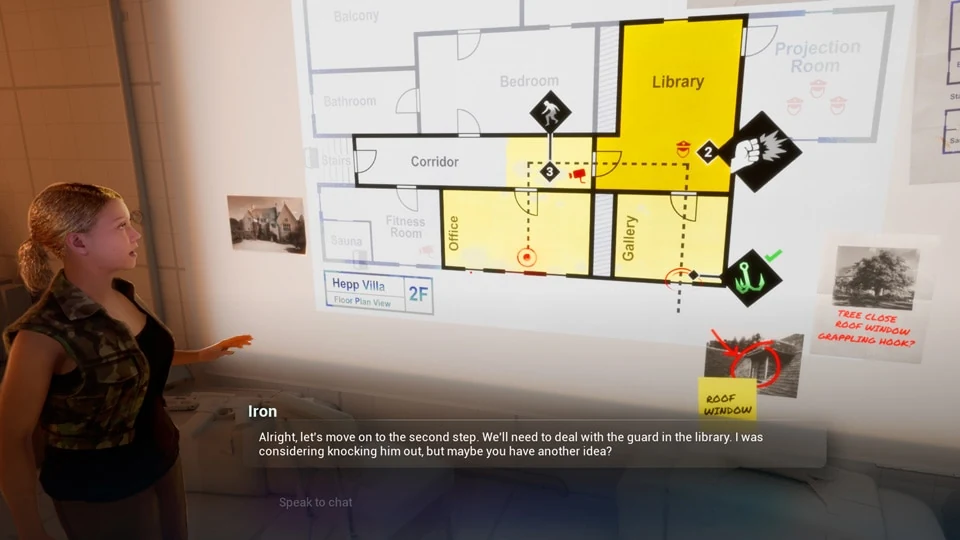
Ubisoft’s NEO NPC prototype paired generated dialogue with written personalities, narrative constraints, and iterative tuning. Creative direction did not disappear.
Field noteWrite the character’s boundaries before inviting improvisation.
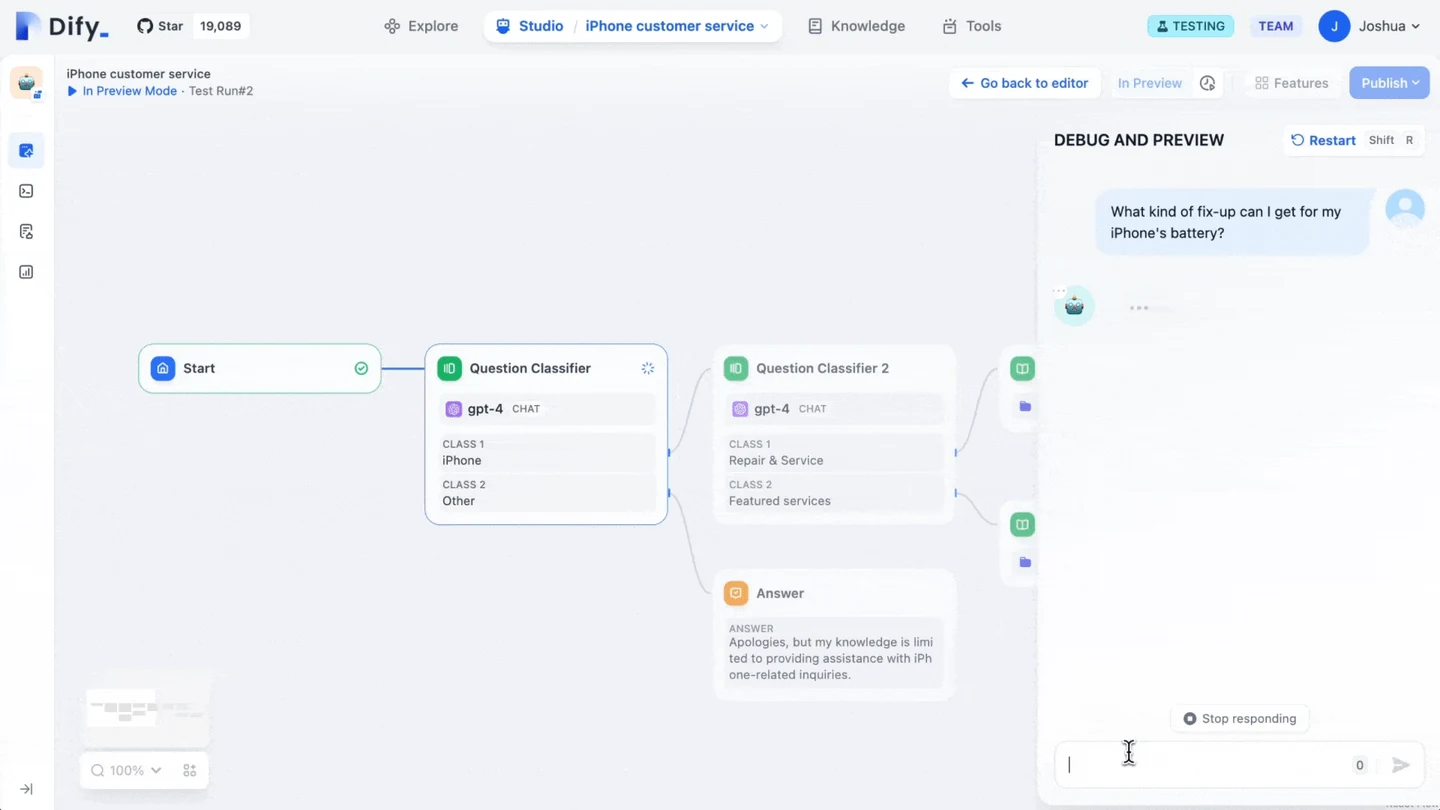
MCP proposed a common interface for connecting AI applications to external tools and information. Standardizing the connection does not decide what a tool should be allowed to do.
Field noteInteroperability and authorization are different layers.
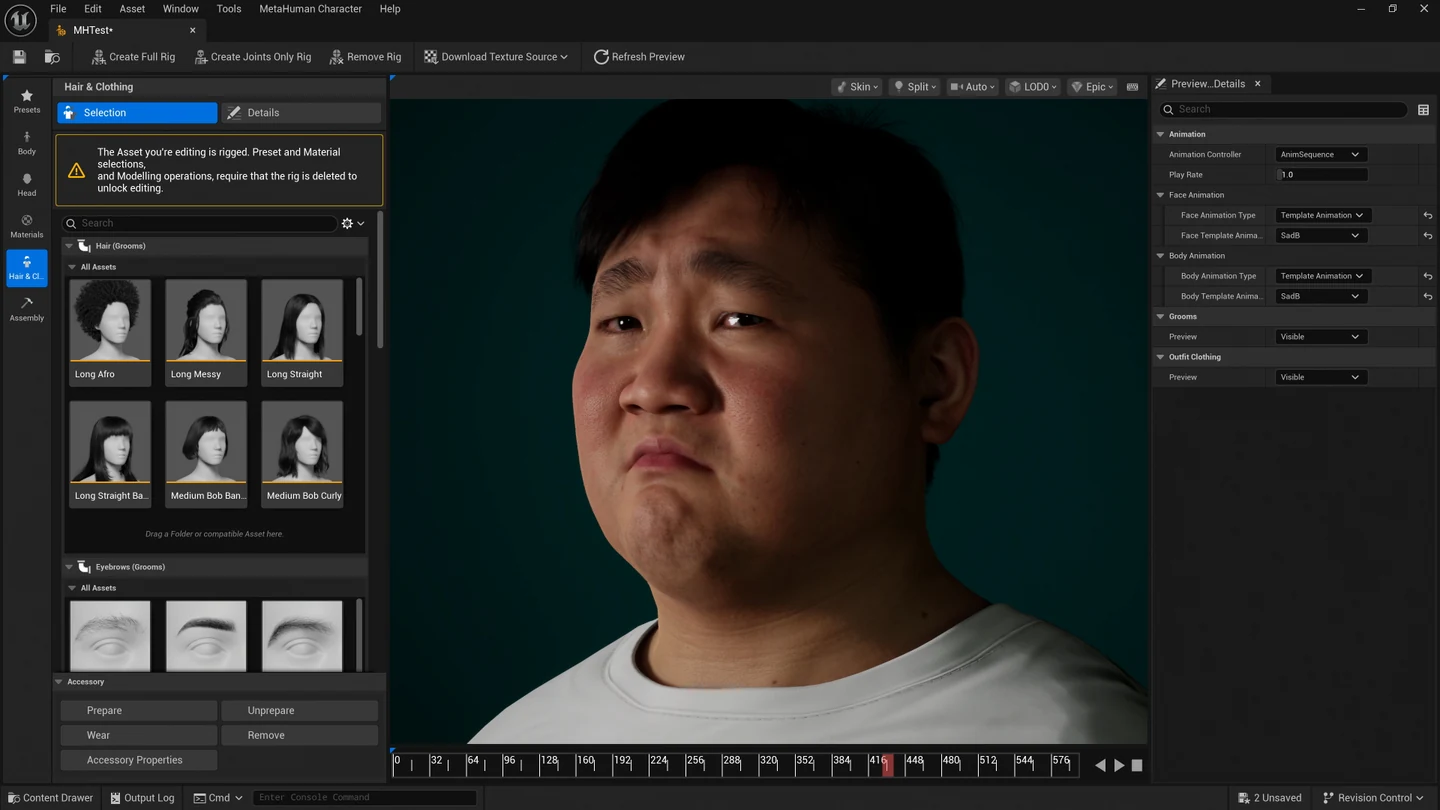
MetaHuman’s Unreal Engine 5.6 release brought its creator into the editor. Easier character authoring still leaves dialogue, permissions, and operations to be designed.
Field noteDo not confuse an expressive avatar with a complete conversational system.
The Audio2Face release made speech-to-animation building blocks more inspectable. The integration challenge is still synchronizing an interruptible performance.
Field noteCancel sound, face, and queued gestures as one performance.
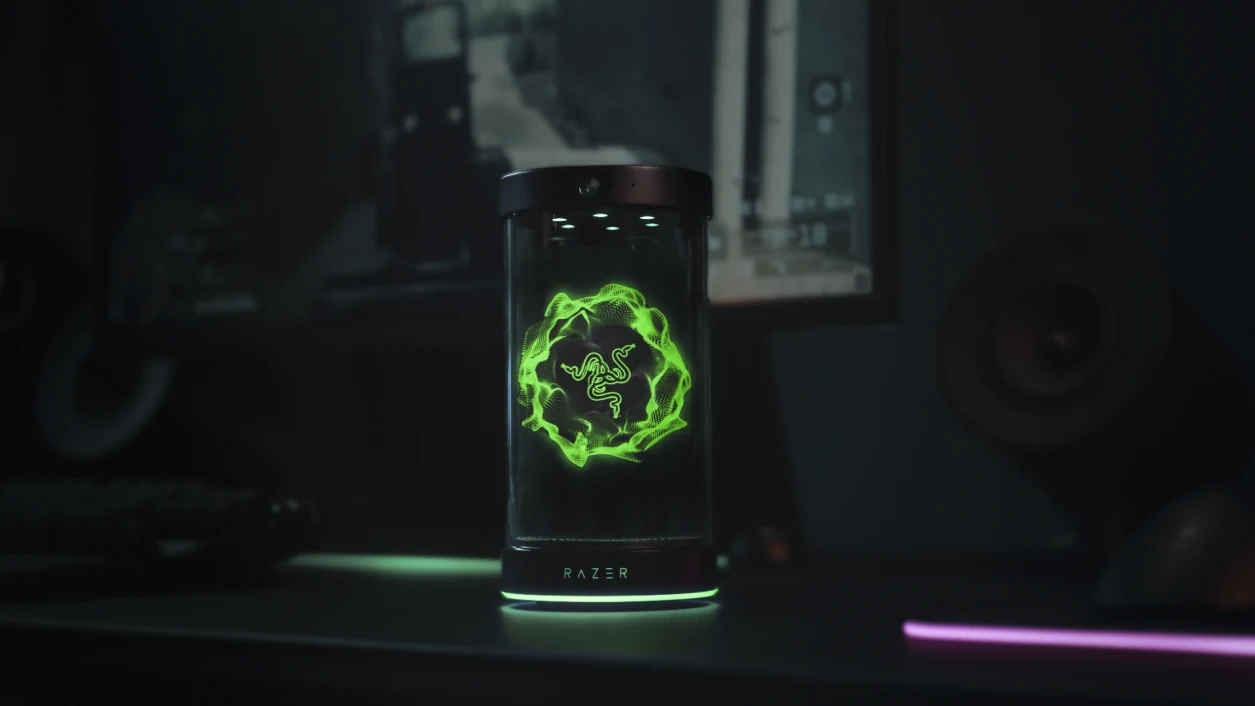
Razer’s CES 2026 concept placed an animated companion on the desk. An always-present interface raises new questions about sensing, disclosure, and control.
Field notePresence should never make observation feel invisible.
Adjust three constraints to compare text, voice, and embodied interfaces. This is a transparent editorial heuristic—not a validated model or a product recommendation.
Suggested starting point
Text-first interface
Keep the interaction easy to scan, correct, and use across devices before adding presence.