A taxonomy of embodied and 3D chatbots
A rendered character qualifies only when conversation and embodied behavior form one responsive loop.
Read guide ↗ TURNTAKINGREVIEW
Field 06 / Embodied systems
A rendered face adds a performance system to the conversation. Timing, gaze, scene state, device limits and accessible alternatives all become part of the interface. Explore what embodiment changes without assuming that realism creates trust or usefulness.
The question to keep asking
Separate dialogue, speech, animation, rendering and tools.
Make listening, speaking and interruption obey explicit states.
Reconnect the session while reconciling unfinished work.
See the source / related interface context
Do not confuse an expressive avatar with a complete conversational system.
Open the case file ↗This source capture illustrates a related interface—not evidence that the vendor passed these review checks.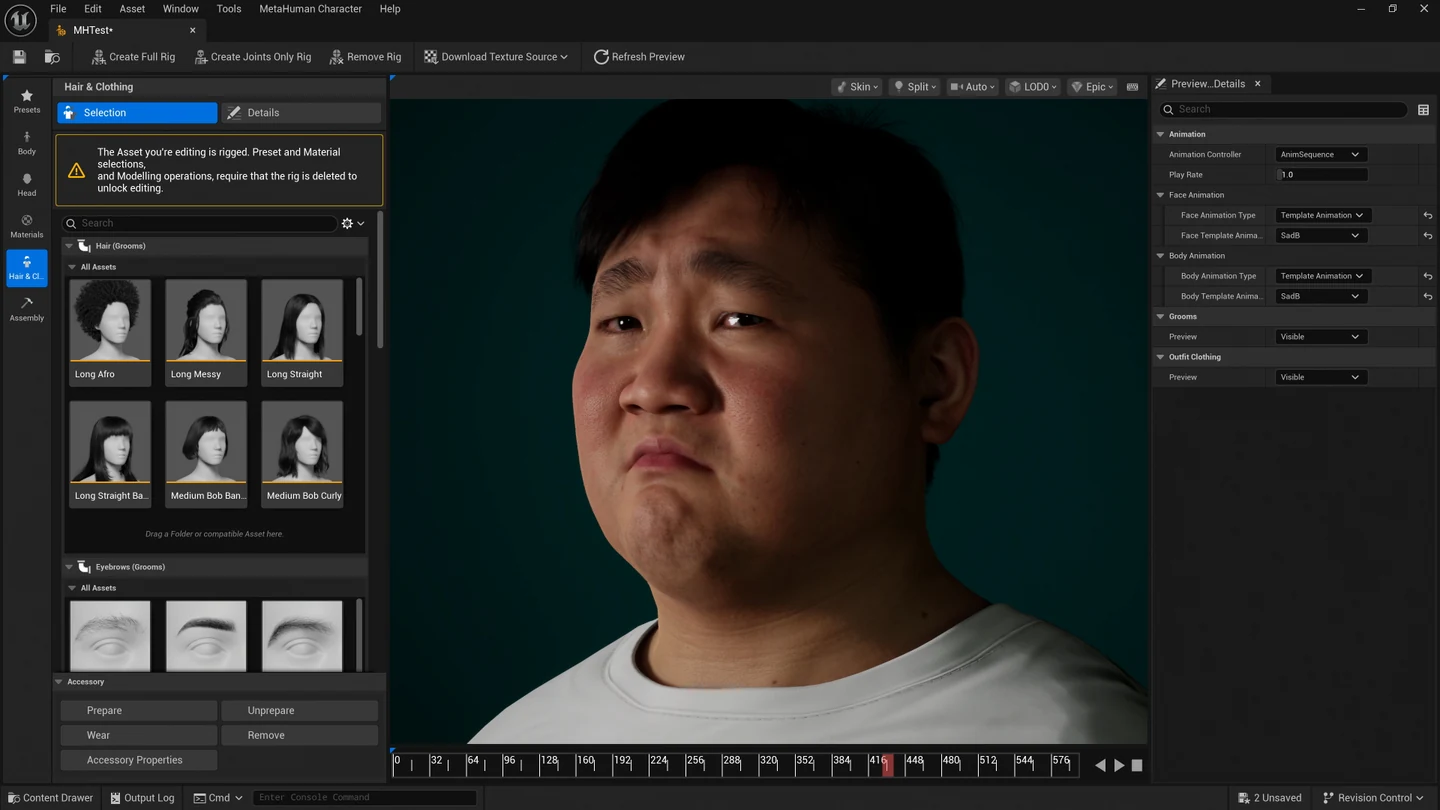
The complete embodied systems desk
A rendered character qualifies only when conversation and embodied behavior form one responsive loop.
Read guide ↗ NVIDIA / Convai · source visual / reviewEmbodied systems2 min
Build the interaction loop before polishing the face.
Read guide ↗A body adds production value—and new variable costs, operating risks, and proof requirements.
Read guide ↗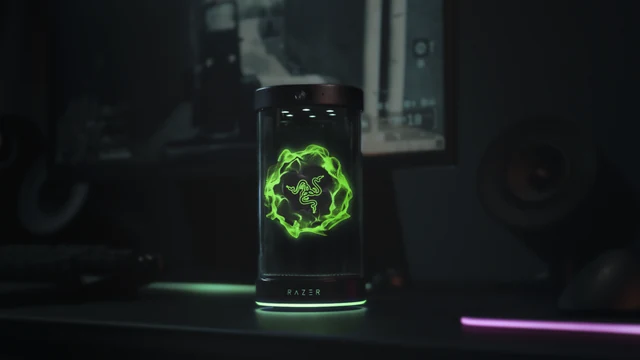 Razer · source visual / reviewEmbodied systems2 min
The closer the system looks and sounds like a person, the more clearly it must show its boundaries.
Read guide ↗ Epic Games · source visual / reviewEmbodied systems4 min
A delivery contract for a portable avatar that keeps rig assumptions, expressive controls, provenance, and permitted uses inspectable.
Read guide ↗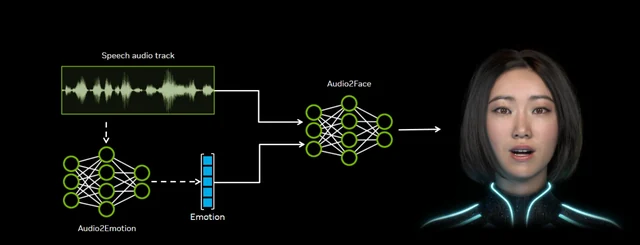 NVIDIA · source visual / reviewEmbodied systems4 min
How to connect speech synthesis, facial animation, expression direction, and rendering without letting a character’s face contradict the conversation.
Read guide ↗Razer · source visual / reviewEmbodied systems3 minDesign speech, text, timing, avatar motion, settings, and task completion as equivalent routes rather than a voice-only performance.
Read guide ↗Epic Games · source visual / reviewEmbodied systems3 minA study design for testing whether a body, face, voice, or spatial presence improves a specific outcome over a simpler interaction.
Read guide ↗Epic Games · source visual / reviewEmbodied systems3 minA device-aware budget for WebGL avatars that reserves capacity for input, audio, layout, recovery, and accessible fallbacks.
Read guide ↗Images, screenshots, and spatial interfaces need an explicit reference frame, freshness check, and confirmation path before a vague visual interpretation becomes an action.
Read guide ↗Give an embodied interface clear, interruptible states so its face, voice, and motion communicate actual service conditions instead of invented feeling or false progress.
Read guide ↗Network loss is normal in voice. Restore intelligible conversation state without replaying speech, confirmations, or consequential actions that may already have happened.
Read guide ↗A shared-device avatar must reset the visible display, media, local session state, and authority before another person begins.
Read guide ↗An avatar roleplay needs a defined objective, observable rubric, debrief, and transfer boundary—not a claim that simulated practice proves learning.
Read guide ↗An authored conversational character needs a reviewed canon, a visible world-state boundary, and a rule that session recall cannot rewrite the story.
Read guide ↗When motion, rendering, audio, or bandwidth fails, a conversational avatar should descend through explicit modes while preserving task state and accessible controls.
Read guide ↗Keep shared-room speech, captions, actions, and permissions attributable to a room participant rather than an animated surface. This field note supplies an inspectable artifact, counterexample, and release checks.
Read guide ↗Keep the system connected
Conversation design Evaluation & operations Put the reading to work